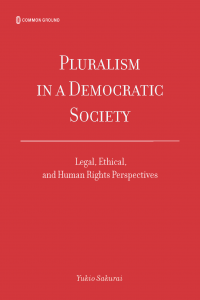
Pluralism in a Democratic Society: Legal, Ethical, and Human Rights Perspectives
June 8, 2026 - 9:00AM CST USA
Pluralism in a Democratic Society offers a timely and incisive examination of how democracy endures—and how it quietly unravels—in the twenty-first century. Through a comparative analysis of Japan and Turkey, it challenges the conventional emphasis on dramatic democratic collapse and instead illuminates the slow, often imperceptible erosion of pluralism and accountability that can occur even as formal institutions remain intact. By foregrounding open information, accountable governance, and inclusive social structures, the study reframes democratic vitality as a lived and continuously sustained practice rather than a mere constitutional guarantee.
At once cautious and hopeful, the book advances a relational understanding of sovereignty shaped by interdependence and ethical responsibility, arguing that the protection of human rights depends as much on civic practices as on legal norms. While acknowledging its conceptual focus and limited geographic scope, it points toward future inquiry into digital transformation, global vulnerability, and expanded comparative perspectives. Ultimately, it positions pluralism not only as democracy’s foundation but also as its measure—insisting that democratic resilience resides in everyday governance, active citizenship, and the continual enactment of diversity in an uncertain world.
Read for free as a part of Common Ground Research Network's Open Access Program!